Off-Season Travel in Europe: Pros and Cons
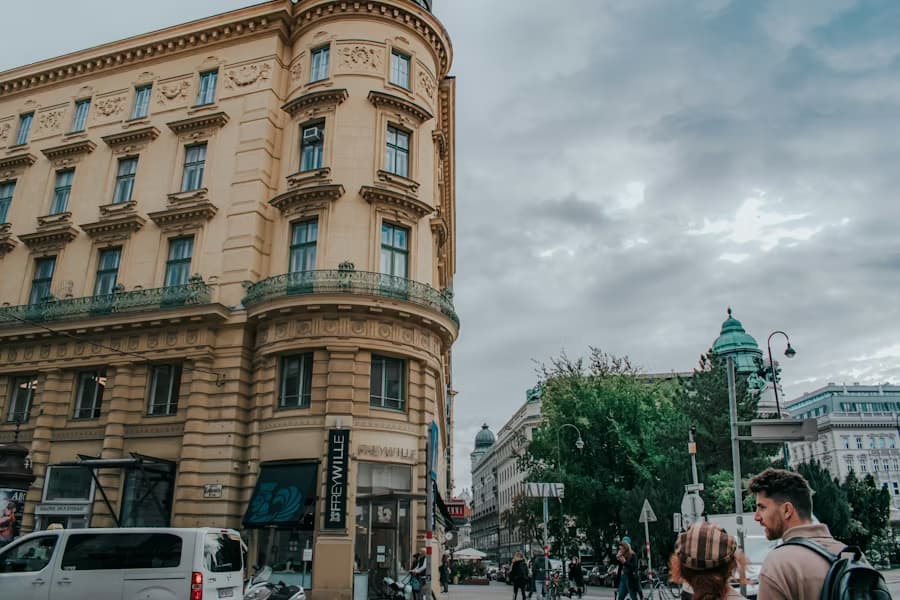
The dream of Europe often involves sun-drenched piazzas in Rome, lavender fields in Provence, or sailing across the turquoise waters of the Greek Islands. However, the reality of visiting these iconic locations during the peak months of June, July, and August frequently involves stifling heat, aggressive crowds, and prices that can make even a modest traveler wince. As global tourism continues to rebound and expand, a growing number of savvy wanderers are looking toward the “off-season”—typically defined as late autumn through early spring—to experience the continent in a different light. Choosing to go against the grain of the traditional holiday calendar requires a shift in expectations, but the rewards can be profound for those who value atmosphere over tan lines.
The Financial Advantage of the Quiet Months
The most immediate and tangible benefit of traveling outside the peak window is the impact on your wallet. The travel industry operates on a supply-and-demand curve that is incredibly steep in Europe. During the summer, even mediocre hotels in cities like Venice or Paris can command premium rates. Once November hits, these same establishments often slash prices by 30% to 50% just to keep their rooms occupied.
This affordability extends beyond accommodation. Airlines frequently offer deep discounts on transatlantic and intra-European flights to fill seats during the colder months. For a traveler on a budget, this means the difference between staying in a cramped hostel and enjoying a boutique hotel with character. It also allows for a longer trip; your money simply goes further when you aren’t paying the “summer tax” on every meal and train ticket.
Cultural Immersion and the Lack of Crowds
Perhaps the greatest luxury of off-season travel is the gift of space. Standing in front of the Mona Lisa or walking through the ruins of the Colosseum is a spiritual experience that is often diluted when you are surrounded by thousands of other people. In the winter, the “tourist barriers” seem to drop. You can spend an hour contemplating a single painting without being nudged by a selfie stick, and you can wander the medieval alleys of Prague without feeling like you are in a crowded theme park.
This lack of crowds also changes the way locals interact with visitors. During the high season, service staff in popular hubs are often overworked and exhausted by the sheer volume of people. In the quiet months, the pace of life slows down. A waiter in a Florentine trattoria has the time to explain the origin of the wine, and a shopkeeper in Edinburgh might engage you in a genuine conversation rather than just rushing you through the checkout line. You see the city as it actually functions for the people who live there, not just the version curated for mass consumption.
The Weather Gamble
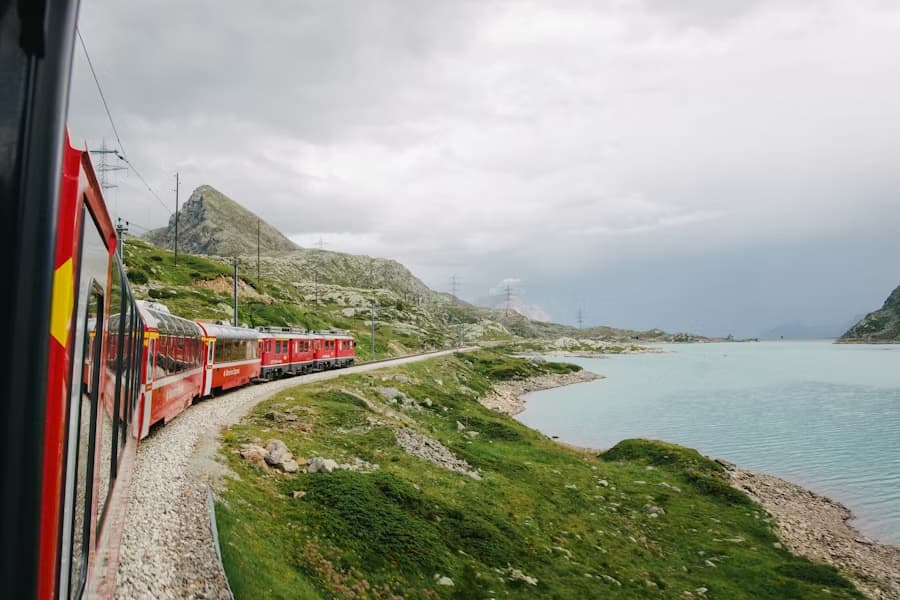
The most significant “con” of off-season travel is, undeniably, the weather. Europe is a vast continent with diverse climates, but generally, the winter months mean shorter days, grey skies, and a fair amount of rain or snow. For some, the early sunset—around 4:00 PM in northern cities—can be a major deterrent. It limits the time available for sightseeing and can sometimes lead to a “cabin fever” feeling if you aren’t prepared with indoor activities.
However, the weather also creates its own unique beauty. There is something deeply atmospheric about the mist rolling over the canals of Amsterdam or the smell of woodsmoke in a German mountain village. The key is preparation. If you pack high-quality waterproof gear and thermal layers, the cold becomes part of the adventure rather than a hurdle.
Comparing the Seasons: A Practical Overview
| Aspect | Summer (Peak) | Winter (Off-Season) |
| Cost | High (Premium pricing) | Low (Frequent discounts) |
| Crowds | Intense (Long queues) | Minimal (Easy access) |
| Atmosphere | Vibrant / Party-oriented | Cozy / Melancholic / Local |
| Service | Fast-paced / Transactional | Relaxed / Personal |
| Availability | Requires months of booking | High flexibility |
The Logistics of the Off-Season
While many things are easier in the winter, some logistics become more complicated. In coastal regions or islands—such as the Amalfi Coast or the Cyclades—many hotels, restaurants, and ferry lines shut down completely between October and April. A traveler who arrives in Santorini in January expecting a vibrant nightlife will be met with a ghost town.
Additionally, many historic sites use the off-season for essential maintenance. It is not uncommon to find the facade of a famous cathedral covered in scaffolding or a specific museum wing closed for renovation. Before booking, it is vital to check the opening hours and operational status of your “must-see” landmarks.
The Rise of Festive Tourism
One notable exception to the quiet off-season is the month of December. Across Central and Northern Europe, the advent of Christmas markets creates a “mini-peak” season. Cities like Vienna, Strasbourg, and Cologne come alive with lights, stalls, and seasonal treats. While this brings back some of the crowds and higher prices, it offers a cultural spectacle that is impossible to find in the summer. For many, the charm of sipping mulled wine in a snowy square is worth the trade-off of the cold.
Final Thoughts for the European Traveler
Off-season travel is not for everyone. If your primary goal is to relax on a beach or hike high-altitude trails in the Alps, the summer is still your best bet. But if you are a student of history, an art lover, or someone who simply wants to experience the “soul” of a place without the noise, the winter months are a revelation.
- Tip 1: Focus on major cities (London, Berlin, Madrid) which remain vibrant year-round.
- Tip 2: Use the savings on accommodation to dine at higher-end restaurants that are usually fully booked in July.
Ultimately, Europe in the off-season asks you to slow down. It invites you to spend more time in cozy cafes, browse bookstores, and appreciate the architecture without the distraction of a thousand umbrellas. It is a more honest way to travel, revealing the continent’s beauty in its most stripped-back and authentic form.