Casino Tourism vs Online Casinos: What Should Travelers Choose?

The evolution of the gambling industry has created a fascinating divide for the modern traveler. On one hand, there is the timeless allure of the physical casino—a place of architectural grandeur, sensory overload, and social interaction. On the other, the digital revolution has made it possible to access world-class gaming from a beach chair or a mountain cabin. When considering the lifestyle of high-stakes play, many enthusiasts find that exploring a high roller casinos in a city like Macau or Monte Carlo provides a level of tangible prestige that a screen simply cannot replicate. However, for the average traveler, the choice between embarking on a dedicated “casino pilgrimage” and utilizing the convenience of online platforms involves a complex set of trade-offs.
The Sensory Experience of Physical Destinations
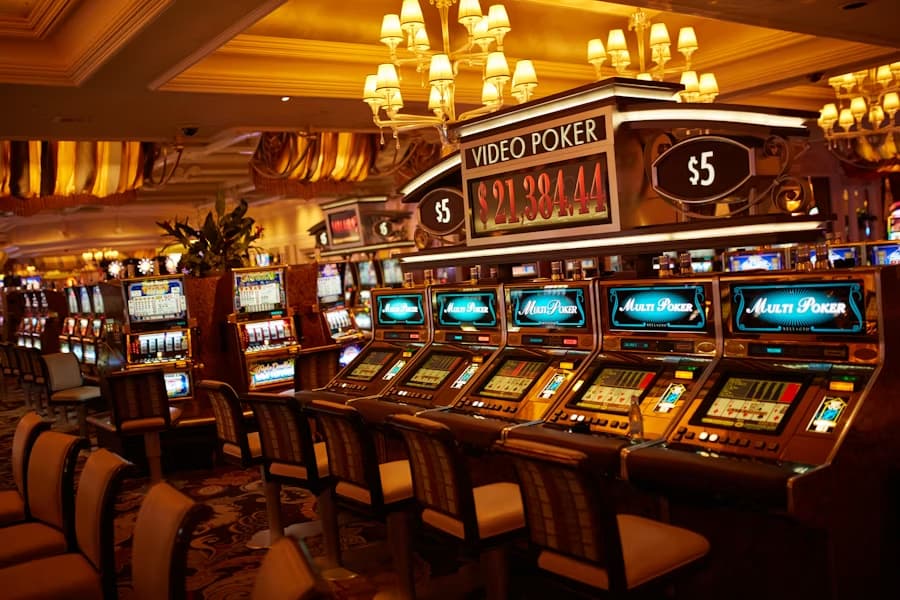
Casino tourism is about much more than the games themselves; it is a holistic travel experience. When you walk into a legendary establishment like the Casino de Monte-Carlo, you are stepping into a piece of history. The clinking of chips, the murmur of the crowd in various languages, and the sheer opulence of the interior design create a psychological “event” that anchors your vacation.
For the traveler, a physical casino serves as a social hub. It is a place to dress up, enjoy fine dining, and watch world-class entertainment. Many of the world’s most famous casinos are integrated resorts, meaning they offer luxury spas, shopping malls, and theaters. In this context, the gambling is just one thread in a larger tapestry of luxury leisure. The memory of a winning hand at a physical table, shared with friends or even friendly strangers, often carries more emotional weight than a digital win.
The Unmatched Convenience of the Digital Option
Conversely, online casinos have revolutionized travel by removing the “destination” requirement. For a traveler who is more interested in the mechanics of the game than the chandeliers of the room, online platforms offer unparalleled efficiency. You don’t need to pack a suit, book a flight, or navigate a crowded floor.
This convenience allows for a more flexible itinerary. You can enjoy a few rounds of blackjack while waiting for a train in the Swiss Alps or during a long-haul flight. Furthermore, online platforms often provide a much wider variety of games than a physical location, which is limited by floor space. For the strategic player, the ability to control their environment—free from the distractions of a loud casino floor—can also lead to better focus and a more controlled budget.
Cost Considerations: Travel Expenses vs. Game Value
When choosing between these two paths, the financial aspect is usually the deciding factor. Casino tourism is, by its nature, expensive. You aren’t just paying for the house edge; you are paying for flights, high-end hotels, and the inflated prices of food and drink in gambling hubs. For many, this “investment” is part of the fun, turning the trip into a grand celebration.
Online gaming, however, allows 100% of your budget to go toward the actual play. There are no hidden costs. Additionally, digital platforms frequently offer bonuses, loyalty points, and “free play” opportunities that are rarely found in physical establishments unless you are a verified VIP.
Comparison Table: At a Glance
| Feature | Casino Tourism | Online Casinos |
| Atmosphere | Immersive / High-energy | Private / Controlled |
| Social Factor | High (Meeting people) | Low (Solo play) |
| Cost of Entry | High (Travel + Lodging) | Zero (Instant access) |
| Game Variety | Limited by physical space | Virtually unlimited |
| Dress Code | Often strictly enforced | None |
The Question of Security and Trust
For the traveler, security is a paramount concern. When visiting a famous physical casino, there is a sense of institutional trust. These buildings are heavily regulated and have decades of reputation to uphold. You see the cards being shuffled and the wheel spinning in real-time, which provides a level of psychological comfort.
Modern online casinos have bridged this gap significantly through the use of live dealer games and advanced encryption. However, the traveler must be more diligent in ensuring they are using reputable, licensed platforms. The “trust” in the digital world is built on reviews, licensing icons, and transparent payout histories. For a traveler in a foreign country, using a familiar online platform can sometimes feel safer than walking into an unknown local gambling den in an unfamiliar city.
Cultural Context and Local Laws
One often overlooked aspect is the legal and cultural landscape of the destination. In some countries, gambling is a deeply integrated part of the culture (like the United Kingdom), while in others, it is strictly relegated to specific tourist zones or banned entirely. A traveler must be aware of local regulations before seeking out a physical game.
Online gaming can sometimes navigate these boundaries, but it also carries its own set of regional restrictions. Some travelers find that their favorite online accounts are geo-blocked when they cross borders, necessitating the use of alternative methods or simply waiting until they return home.
Conclusion: Finding the Right Balance
Ultimately, the choice between casino tourism and online play depends on what you want to get out of your journey. If you view gambling as a social event and an excuse to experience the world’s most glamorous cities, then the physical casino remains the gold standard of luxury travel. There is no digital substitute for the atmosphere of a high-end resort in Las Vegas or Singapore.
However, if you are a traveler who values freedom, variety, and the ability to play on your own terms without the “fluff” of expensive hotels, the online world is a powerful tool. Many modern travelers are now opting for a hybrid approach: they use online platforms to sharpen their skills and enjoy casual play during their transit, while saving their “big moments” for a visit to an iconic physical landmark.